Chinese Automotive Industry: Reforms & Regulations
Explore upcoming reforms and regulations in the Chinese automotive industry. Learn about proposals impacting workers and drivers. Read more now!
Chinese Automotive Industry: Reforms and Regulations on the Horizon
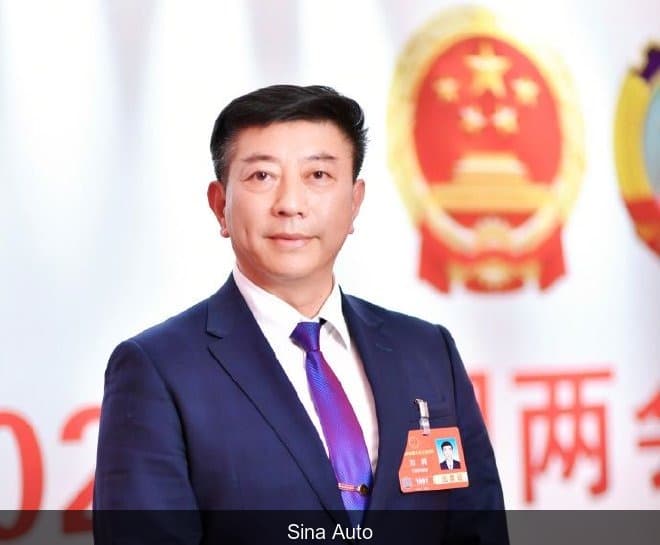
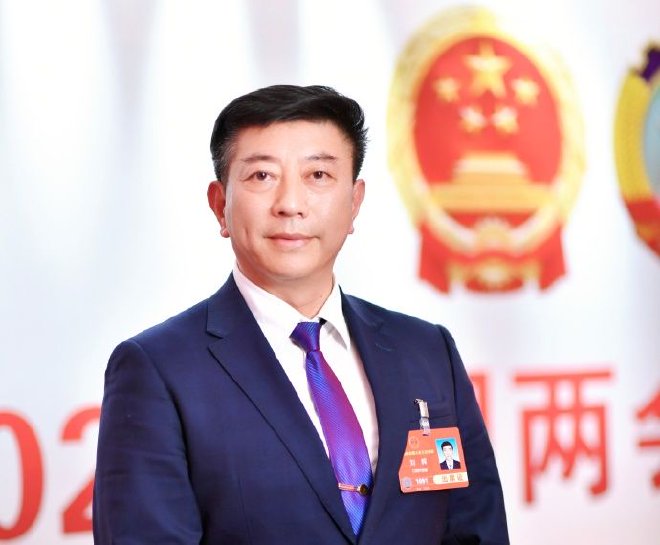
The Chinese automotive industry is poised for significant changes, with proposals emerging from the recent National People's Congress (NPC) and Chinese People's Political Consultative Conference (CPPCC) sessions. Liu Hui, an NPC representative from Jiangxi Province and a key figure at Jiangling Motors Co., Ltd. (JMC), has put forward seven proposals that could reshape the landscape for both workers and drivers. These proposals touch on everything from worker benefits to autonomous driving regulations, and even the humble pickup truck. Let's dive into the details.
Empowering the Workforce: The "New Eight-Grade Worker" System
One of the key proposals focuses on improving the lives of industrial workers in China. The suggestion is to fully implement the "New Eight-Grade Worker" system, a framework designed to link skill levels with tangible benefits. This means that workers with higher skill levels could see improvements in their salaries, access to residency permits (hukou), and other social benefits. Crucially, the proposal also advocates for integrating vocational and technical colleges more fully into the broader higher education system. This could help to attract more talent to the automotive industry and ensure a steady stream of skilled workers for companies like BYD, NIO, XPeng, Li Auto, Geely, Chery, and Great Wall. This is a stark contrast to the skilled labor shortages often seen in the US and UK automotive sectors, where vocational training has been historically undervalued.
Pickup Trucks: Loosening the Reins
The proposal to ease restrictions on pickup trucks is particularly interesting, especially considering the growing popularity of these vehicles worldwide. Recognizing the shift towards more passenger-oriented, high-end, and new energy pickups, the suggestion is to abolish the 15-year mandatory retirement period for non-commercial pickups. Furthermore, the proposal calls for aligning annual inspection policies with those of passenger cars and including pickups in trade-in subsidy programs and toll-free highway access during holidays. Currently, many Chinese cities restrict pickup truck access, hindering their adoption. If these changes are implemented, we could see a surge in pickup truck sales, potentially mirroring the popularity of models like the Ford F-150 in the US or the Toyota Hilux in the UK. Imagine a fully electric pickup from BYD competing with Rivian or Ford – that's the potential here.
Navigating the Autonomous Future: Legal Frameworks for Self-Driving Cars
China is making significant strides in autonomous driving technology, and the legal framework needs to catch up. The proposal suggests revising the Road Traffic Safety Law to include a dedicated chapter on autonomous driving. This chapter would clarify the graded responsibility system, outlining who is liable in the event of an accident involving a self-driving vehicle. The proposal also emphasizes the importance of coordinating legislation with technical standards to ensure a safe and reliable rollout of autonomous driving technology. This is crucial for companies like XPeng and NIO, who are heavily invested in developing advanced driver-assistance systems (ADAS) and autonomous driving capabilities. The current legal ambiguity surrounding autonomous driving is a global issue, and China's proactive approach could set a precedent for other countries.
Own a Chinese car?
We localize multimedia systems, navigation, and voice assistants for BYD, NIO, Chery, Haval and 40+ brands. Your language, your country — fully adapted.
Get a free consultation →Streamlining Business: Optimizing the Economic Environment
Creating a favorable business environment is essential for the continued growth of the Chinese automotive industry. The proposal suggests strengthening the mediation function of labor arbitration, prioritizing mediation over arbitration and rejecting unreasonable demands from workers. It also advocates for extending job stabilization subsidies and social security subsidies to help companies weather economic challenges. Additionally, the proposal calls for the revitalization of vacant factories and warehouses through policies such as tax reductions and rent subsidies. This would help to reduce corporate costs and encourage investment in new technologies and production facilities. This is particularly important for smaller automotive suppliers and startups looking to enter the market.
*
Thinking of importing a Chinese car? Don't get caught out by language barriers!
The cutting-edge technology in chinese cars like BYD, NIO, XPeng, Li Auto, Geely, Chery, and Great Wall is impressive, but navigating the infotainment system in Mandarin can be a challenge. That's where localization services come in. Imagine driving a sleek new electric SUV from NIO, but struggling to find your way using the navigation system because it's all in Chinese.
Here's how professional localization can enhance your driving experience:
* Multimedia & menu localization to English: Seamlessly navigate the car's settings and features.
* App installation (Google Maps, Spotify, WhatsApp): Integrate your favorite apps for a connected driving experience.
* SIM card with unlimited mobile internet: Stay connected on the go with reliable data access.
* Voice assistant in English: Control your car's functions with simple voice commands.
* AI driving assistant: Get real-time assistance and safety alerts in your native language.
Don't let language be a barrier to enjoying the latest automotive technology.
*
The Impact on Global Markets
These proposals, if implemented, could have a significant impact on the global automotive market. The relaxation of restrictions on pickup trucks could lead to increased competition in this segment, with Chinese manufacturers potentially exporting their models to other countries. The development of a clear legal framework for autonomous driving could accelerate the adoption of this technology worldwide. And the creation of a more favorable business environment could attract more foreign investment to the Chinese automotive industry.
Chinese brands like BYD, NIO, XPeng, Li Auto, Geely, Chery, and Great Wall are already making inroads into global markets, particularly in the electric vehicle (EV) segment. BYD's Atto 3, for example, is gaining popularity in Europe and Australia, offering a compelling combination of range, features, and price. The proposals outlined above could further strengthen the competitiveness of these brands and accelerate their global expansion. For example, the BYD Seal, priced around $30,000 in China, offers a compelling alternative to the Tesla Model 3. Similarly, the XPeng P7, with a range of over 400 miles (WLTP), is challenging established players in the premium EV segment.
The Road Ahead
It remains to be seen which of these proposals will be adopted and how they will be implemented. However, the fact that these issues are being discussed at the highest levels of government indicates a commitment to supporting the growth and development of the Chinese automotive industry. As China continues to innovate and expand its presence in the global automotive market, it will be important for automakers and policymakers around the world to pay attention to these developments.
FAQ
Here are some frequently asked questions about the Chinese automotive industry and its future:
Voice assistant in your language
AI-powered voice control that actually understands you. Works offline. Available for 50+ Chinese car models.
See our services →Will Chinese cars become more popular in the US and UK?
Yes, it's highly likely. Chinese brands like BYD, NIO, XPeng, Li Auto, Geely, Chery, and Great Wall are increasingly competitive, especially in the electric vehicle (EV) market. As their technology improves and they adapt to international standards, we can expect to see more Chinese cars on US and UK roads. The key will be meeting safety regulations and consumer expectations regarding quality and reliability.
What are the biggest challenges facing Chinese automakers in global markets?
Several challenges exist. Brand recognition is a major hurdle, as many consumers are unfamiliar with Chinese car brands. Overcoming negative perceptions about quality and reliability is also crucial. Additionally, navigating complex regulatory environments and establishing robust sales and service networks in foreign markets requires significant investment and effort. Finally, geopolitical tensions and trade barriers could also impact the success of Chinese automakers in global markets.
How is the Chinese government supporting the automotive industry?
The Chinese government has been a strong supporter of the automotive industry for many years. It provides subsidies for electric vehicle purchases, invests heavily in research and development, and promotes the development of charging infrastructure. The government also plays a key role in shaping regulations and policies that support the growth of the industry. The proposals outlined in this article are further evidence of the government's commitment to fostering a competitive and innovative automotive sector.