Maserati Restructures Asia-Pacific, Eyes Growth
Maserati revamps Asia-Pacific operations under new leadership. Explore their strategy to boost growth in this key market!
Maserati Revamps Asia-Pacific Operations, Eyes Growth in Key Market
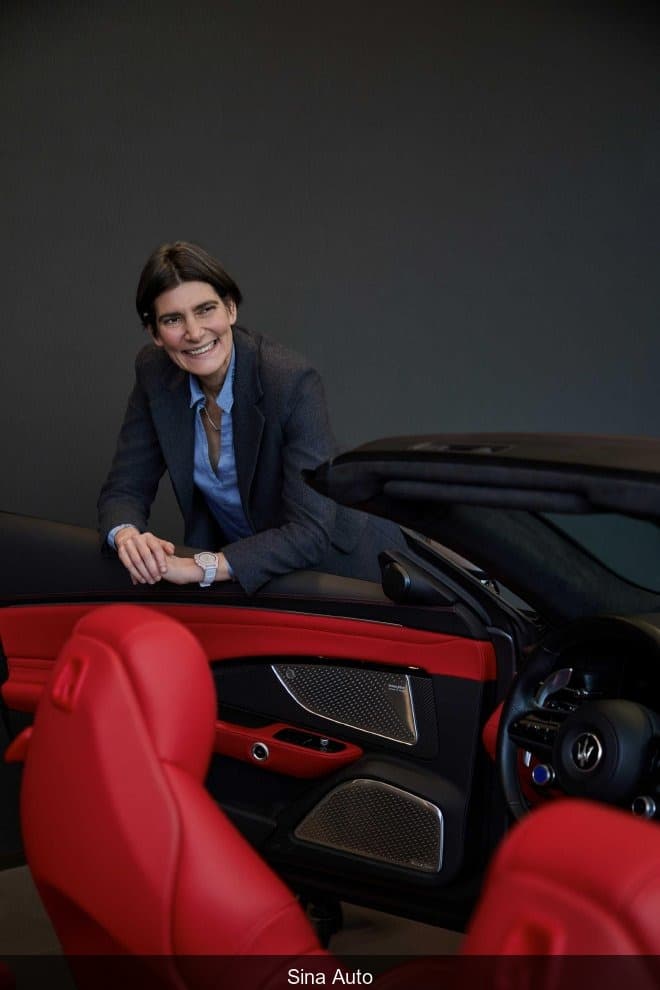
Maserati is restructuring its Asia-Pacific operations with the aim of accelerating growth in the region. Effective April 1, 2026, Julie Taieb-Doutriaux will take the helm as Head of Maserati Asia Pacific, signaling a renewed focus on this crucial market for the Italian luxury brand. This move comes as competition intensifies, particularly from emerging electric vehicle (EV) manufacturers, including several prominent chinese cars brands.
The Asia-Pacific region represents a significant growth opportunity for Maserati, and the company's decision to streamline operations underscores its commitment to capitalizing on this potential. The new regional structure is designed to foster greater synergy and efficiency, allowing Maserati to better respond to the unique demands of the diverse markets within the Asia-Pacific region. This includes adapting to the growing popularity of EVs, a segment where BYD, NIO, XPeng, and Li Auto are making significant inroads.
While Maserati is known for its performance and Italian flair, it faces a challenge from these innovative Chinese EV brands, which are offering compelling alternatives with advanced technology and competitive pricing. For example, the NIO ES8, a large electric SUV, boasts a range of up to 373 miles (600 km) on the CLTC standard and a starting price of around $60,000 in China. This puts it in direct competition with luxury SUVs like the Maserati Levante, which starts at around $90,000 in the US. The Levante, while offering a powerful V6 or V8 engine, lacks a fully electric option, a growing disadvantage in the current market.
The appointment of Ms. Taieb-Doutriaux is a strategic one, bringing experienced leadership to the Asia-Pacific region. Her mandate will be to drive sales, strengthen the Maserati brand, and navigate the evolving automotive landscape, including the increasing demand for electric vehicles and the rise of chinese cars brands like Geely, Chery, and Great Wall. These companies are not only dominating the domestic market in China but are also expanding their presence globally, challenging established automakers like Maserati.
Navigating the Chinese Automotive Landscape: A Localisation Guide
The rise of chinese cars in the global market is undeniable, and many enthusiasts are eager to experience these vehicles firsthand. However, importing and using these cars in the Global / US / UK markets can present unique challenges. One of the most significant hurdles is localisation. Many Chinese vehicles are designed primarily for the domestic market, with interfaces and features tailored to Chinese users.
That's where expert localisation services become invaluable. Imagine getting behind the wheel of a sleek BYD Han, only to find that the multimedia system is entirely in Mandarin. Or struggling to navigate with a map app that doesn't support your local language. These issues can detract from the overall driving experience.
Fortunately, specialised services exist to bridge this gap. These services offer a range of solutions, including:
* Multimedia & menu localisation to English: Translating the entire infotainment system, ensuring seamless navigation and access to vehicle settings.
* App installation (Google Maps, Spotify, WhatsApp): Integrating popular global apps into the vehicle's system, providing familiar and convenient functionality.
* SIM card with unlimited mobile internet: Enabling connectivity for navigation, streaming, and other online services.
* Voice assistant in English: Allowing you to control vehicle functions and access information using voice commands in your native language.
* AI driving assistant: Ensuring the AI driving assistant understands and responds to English commands.
These services can transform a Chinese vehicle into a truly global car, ready to be enjoyed by drivers in the Global / US / UK markets. Don't let language barriers or software incompatibilities hold you back from experiencing the innovation and value that chinese cars have to offer.
Learn more → https://example.com/en
Maserati's Electric Future and the Challenge from China
Maserati has announced plans to electrify its entire lineup by 2030, a necessary step to remain competitive in the rapidly evolving automotive market. The Maserati Grecale Folgore, the all-electric version of the Grecale SUV, is a key part of this strategy. However, it faces stiff competition from established EV manufacturers like Tesla and the aforementioned chinese cars brands.
The Grecale Folgore boasts a 105 kWh battery pack, providing a range of approximately 310 miles (500 km) on the WLTP cycle. While this is a respectable figure, it's comparable to many other EVs on the market, including offerings from BYD and NIO, which often come with a lower price tag. The challenge for Maserati will be to differentiate itself through its brand heritage, Italian design, and driving experience.
Own a Chinese car?
We localize multimedia systems, navigation, and voice assistants for BYD, NIO, Chery, Haval and 40+ brands. Your language, your country — fully adapted.
Get a free consultation →The Importance of Brand and Driving Experience
While chinese cars are making strides in technology and value, Maserati still holds a strong advantage in terms of brand recognition and driving experience. The Trident logo carries a certain cachet, and the brand's history of producing high-performance sports cars and grand tourers resonates with many enthusiasts. The driving dynamics of a Maserati, with its finely tuned suspension and powerful engines (even in the electric Folgore), are also a key differentiator.
However, Maserati cannot afford to rest on its laurels. The company must continue to innovate and adapt to the changing market dynamics, particularly the growing demand for electric vehicles and the increasing competitiveness of chinese cars. This includes investing in new technologies, expanding its electric vehicle lineup, and strengthening its brand presence in key markets like China. The success of Julie Taieb-Doutriaux in her new role will be crucial to Maserati's future in the Asia-Pacific region and beyond.
FAQ
Will Maserati be able to compete with chinese cars in the electric vehicle market?
Maserati faces a significant challenge from chinese cars in the EV market, particularly in terms of price and technology. However, Maserati's brand heritage, Italian design, and driving experience could help it differentiate itself and attract customers who are willing to pay a premium for these qualities. The success of the Grecale Folgore will be a key indicator of Maserati's competitiveness in the EV segment.
Voice assistant in your language
AI-powered voice control that actually understands you. Works offline. Available for 50+ Chinese car models.
See our services →What are the main advantages of chinese cars over traditional European brands?
Chinese cars often offer a compelling combination of advanced technology, competitive pricing, and innovative features. Brands like BYD, NIO, and XPeng are at the forefront of EV technology, offering long ranges, fast charging capabilities, and sophisticated driver-assistance systems. They also tend to be more aggressive in adopting new technologies and features, such as over-the-air updates and advanced infotainment systems.
Are chinese cars reliable and safe?
While early perceptions of chinese cars may have focused on concerns about reliability and safety, these brands have made significant improvements in recent years. Many chinese cars now meet or exceed international safety standards, and their reliability is also improving. However, it's important to research specific models and brands to assess their reliability and safety ratings before making a purchase. Independent testing and consumer reviews can provide valuable insights.